Quick answer: District 4’s rough reputation came from real underworld history, including Năm Cam and illegal gambling around Tôn Đản. But the alleys were always home to ordinary working families, and today the area is far more peaceful and connected to central Saigon. I tell this story as someone whose family has lived here for five generations, not to romanticize crime, but to show how a neighborhood can change without losing its identity.
I grew up in what Saigonese still call Quận Tư, District 4.
For many outsiders, that name once carried a warning. People associated it with gangsters, underground gambling, cockfighting, docks, narrow alleys and a part of the city where strangers were told to be careful.
For me, it was much more ordinary.
It was home.
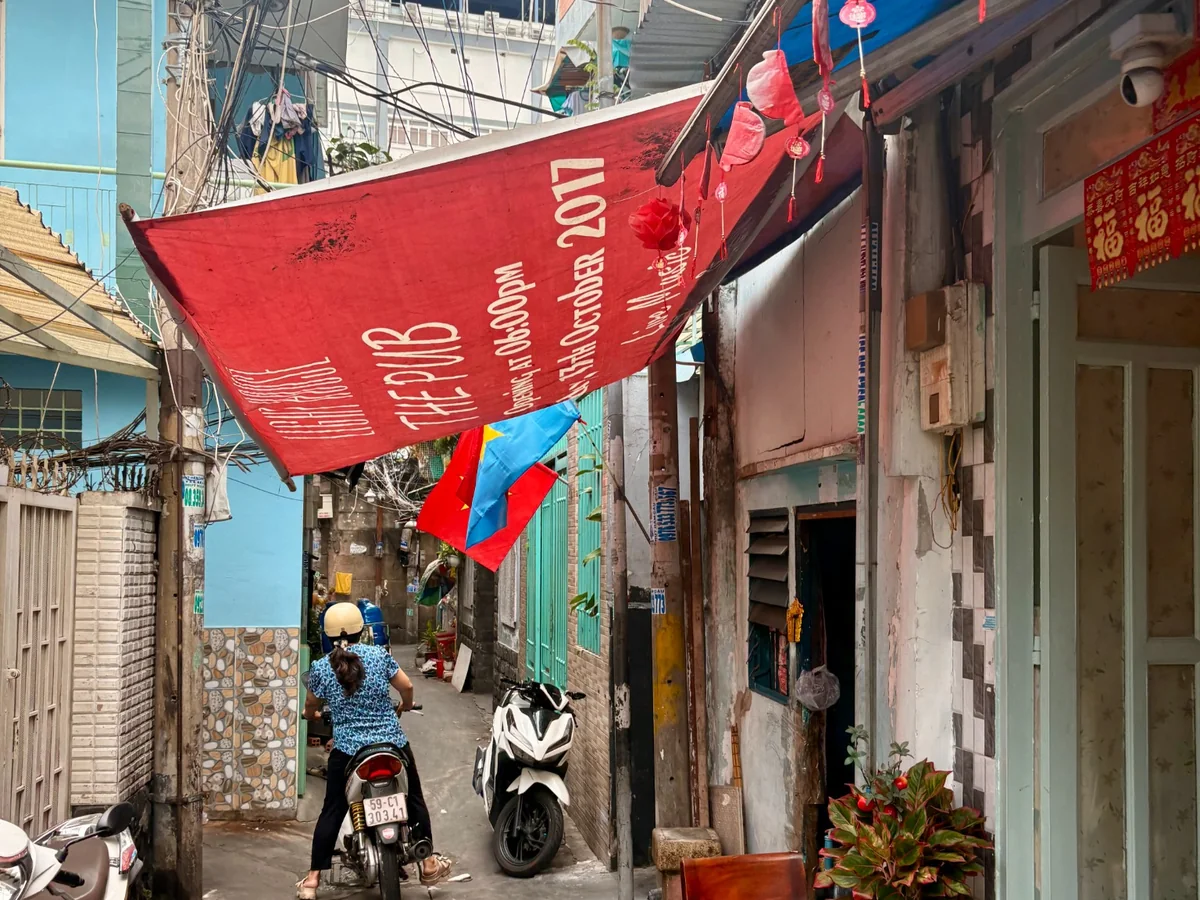
My family has lived here for five generations. The hẻm were where people knew whose child belonged to which house, where a motorbike could block half the lane, where food appeared from a doorway, where arguments travelled faster than the rain, and where neighbors could know your family history before they knew your full name.
That is the District 4 I want travelers to understand.
A note on the name: the old District 4 administrative unit was reorganized in 2025 into the wards of Xóm Chiếu, Khánh Hội and Vĩnh Hội. But in everyday Saigon language, “Quận Tư” is still a very familiar way to describe this part of the city.
The hẻm is the real map of District 4
If you only follow the main roads, you miss much of the neighborhood.
A hẻm is usually translated as an alley, but that word does not fully explain it. In Saigon, a hẻm can be a road, a kitchen, a parking place, a playground, a delivery route and a shared front porch at the same time.
Some are wide enough for cars. Others shrink until two motorbikes passing each other becomes a small negotiation.
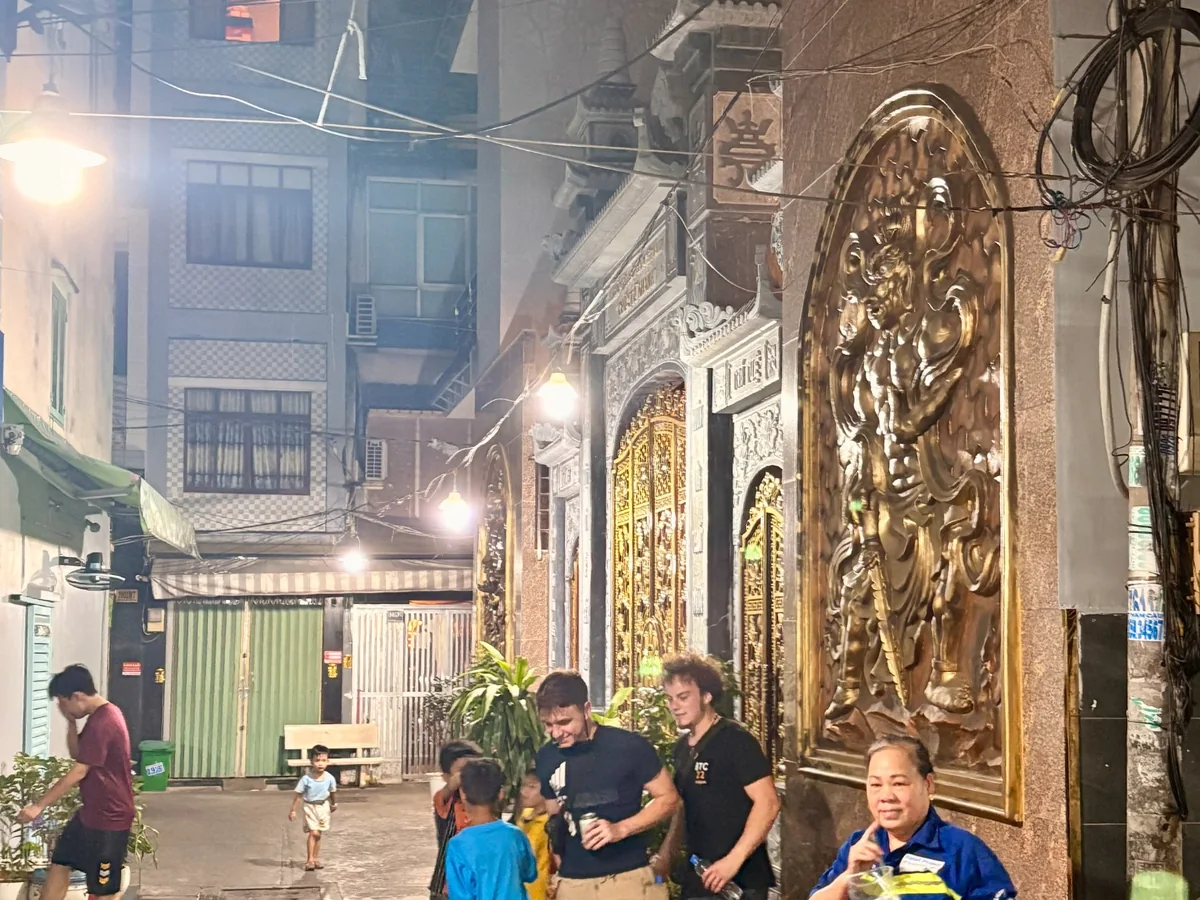
In old District 4, the hẻm also helped shape the district’s reputation. The area was historically tied to the port and surrounded by waterways, while sitting just across the canal from the commercial center of Saigon. Dense housing, working-class streets and a maze of small passages created a neighborhood that could feel very close to downtown and very separate from it at the same time.
Why the Saigon underworld became part of the District 4 legend
District 4 did not invent organized crime, and its residents should never be reduced to that history.
But the underworld connection was real.
During the 1980s and 1990s, District 4 became strongly associated with Saigon’s criminal underworld. The name most people remember is Trương Văn Cam, better known as Năm Cam.
Public reporting documented a gambling operation at 148 Tôn Đản, an address that became so closely associated with him that people later referred to the area simply as the “Năm Cam alley.” VnExpress reported that the gambling den used lookouts and could accommodate around twenty players, while Năm Cam’s network was also connected to protection around cockfighting rings and other entertainment businesses.
For someone growing up in District 4, these stories were not a Netflix-style gangster mythology. They were part of the reputation attached to the neighborhood.
And reputations can be heavy.

Năm Cam, gambling and the end of an era
The Năm Cam case eventually became one of the largest criminal trials Vietnam had seen.
In 2003, 155 defendants were brought before the Ho Chi Minh City court in a case involving crimes ranging from murder and bribery to gambling and organizing gambling. Năm Cam received a death sentence at the end of the trial.
That case mattered far beyond District 4. But locally, it also marked the closing of a period that had shaped how many people outside the neighborhood viewed us.
A 2024 report about hẻm 148 Tôn Đản described how ordinary residents once faced stigma simply because of where they lived. Some remembered a time when people from the alley were judged before anyone knew them.
Today, the same hẻm is described very differently: people go to work, sell food, raise families, get married and live the kind of everyday life that was always here beneath the reputation.
That is important to me.
The crime story was real. But it was never the whole story.
Underground gambling was a shadow of neighborhood life, not its identity
When people hear words like mafia, gambling den or gangland, it is easy to imagine an entire district as one dangerous world.
Real neighborhoods are never that simple.
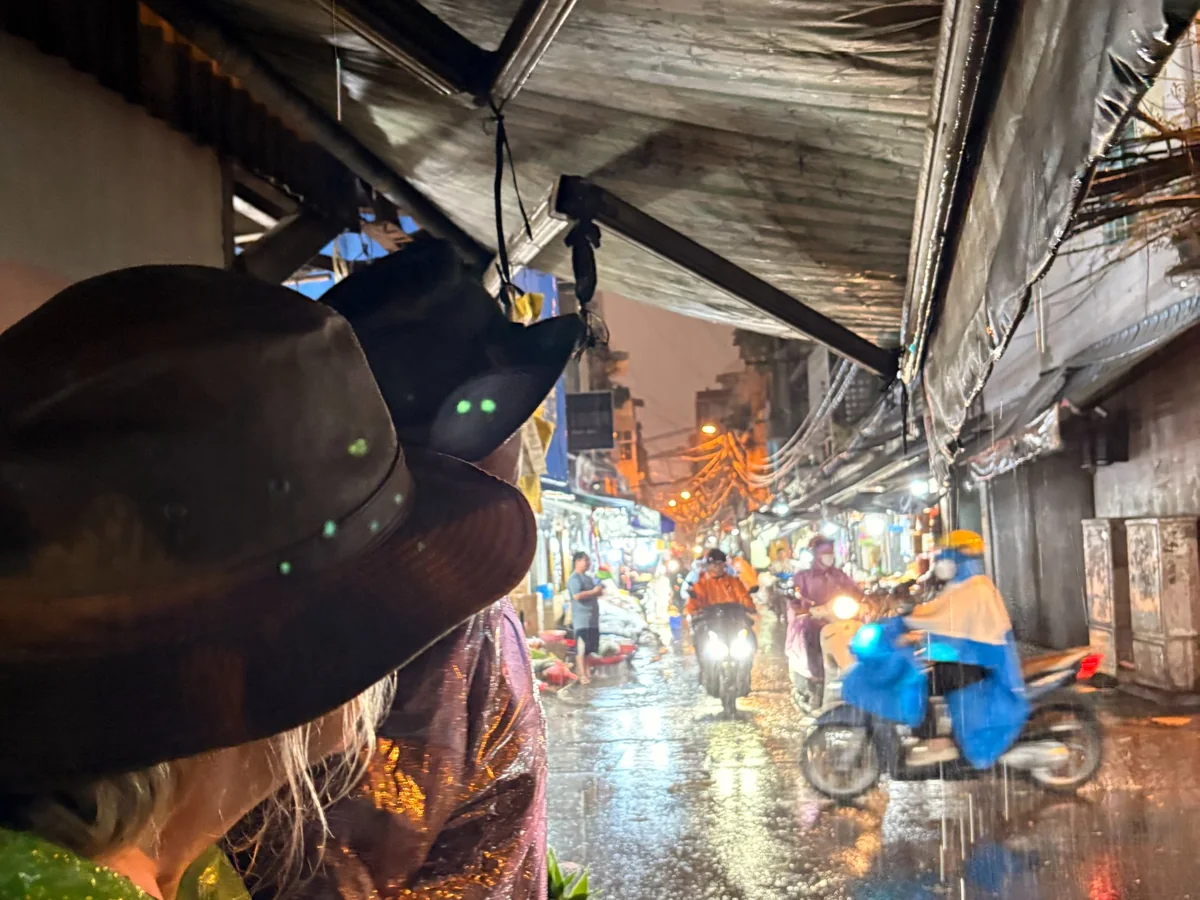
People in District 4 worked at the port, sold food, repaired machines, drove motorbikes, raised children, went to temples and churches, argued with neighbors, borrowed sugar and watched the rain flood the same alley everyone needed to walk through.
The underground economy existed beside ordinary life.
It did not replace it.
The District 4 I see today
The transformation is easy to notice.
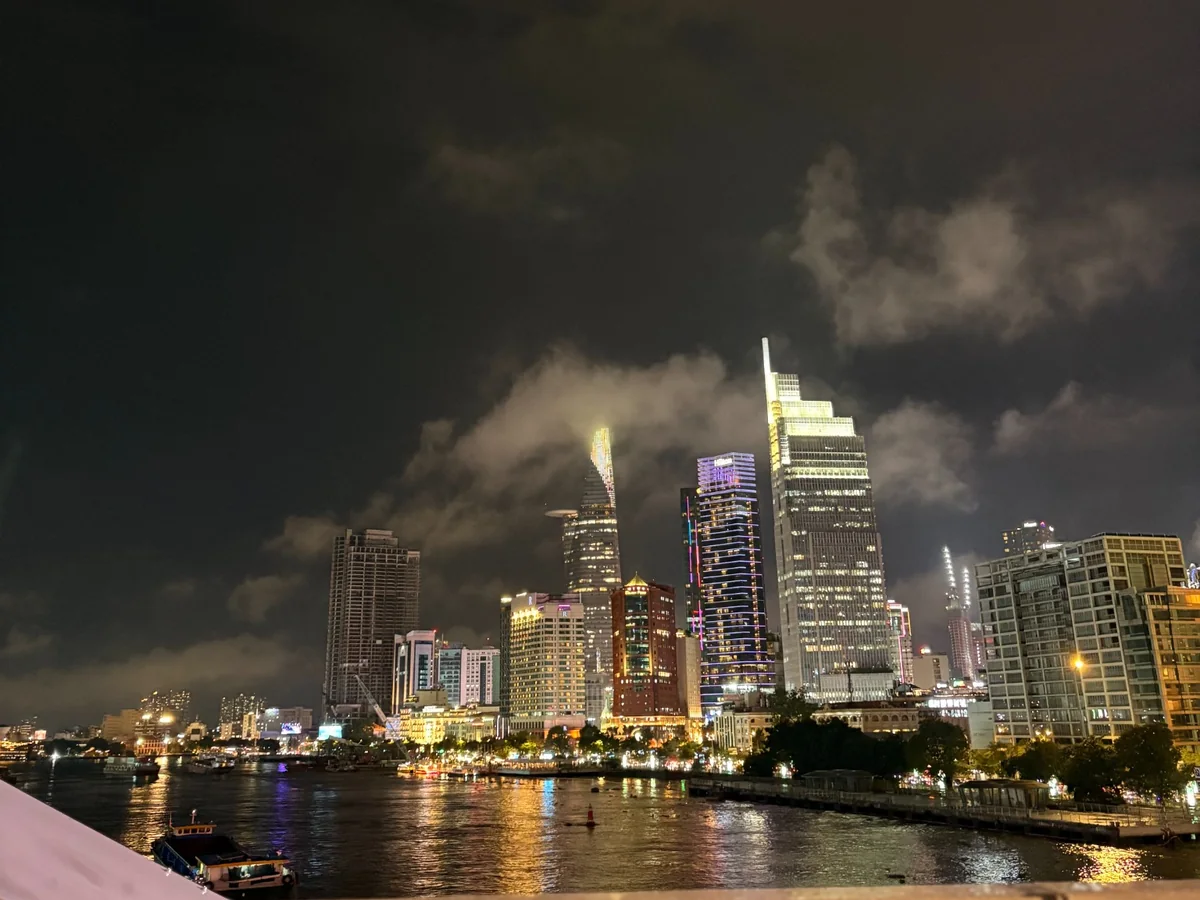
Over the last decade and more, infrastructure investment changed major roads and many smaller residential areas. Bến Vân Đồn developed into a modern riverfront corridor. New apartment towers appeared. Roads, alleys and drainage were upgraded. Connections to the rest of central Saigon became easier.
The official administrative map changed too. Since July 2025, the old District 4 territory has been reorganized into Xóm Chiếu, Khánh Hội and Vĩnh Hội wards.
But city identity does not disappear because a government map changes.
People still say Quận Tư.
I still say Quận Tư.
What has not changed is more interesting
I am proud of the development.
But when I bring travelers through this area, the new buildings are not the main reason I come.
I come for the smaller things that survived.
A narrow alley opening into another narrow alley. A family altar just inside a doorway. A street-food cart with the same routine every evening. Kids moving around adults who have learned to make space without thinking about it. A neighbor watching the lane from a plastic chair. A motorbike appearing from somewhere that did not look wide enough for a motorbike.
Those details explain Saigon better than a skyline can.
They also explain why I do not want to present District 4 as a “mafia tour.”
The old underworld is part of the history. It deserves context. But I do not want to glorify people who hurt others, and I do not want ordinary families to become background decoration for a gangster story.
The neighborhood deserves more respect than that.
Five generations here changes how I tell the story
When I say I am a local guide, District 4 is where that word local becomes personal.
My family has been rooted here for five generations.
I grew up with the stories, the street names, the reputations and the changes. I have watched a place once treated as something to avoid become a part of central Saigon that people now cross into for food, homes, riverfront views and everyday city life.
That change makes me proud.
It is also one reason I built OG Saigon.
Hosting travelers is a way for me to contribute something back to the place that raised me. Not by pretending the past did not happen, and not by turning the past into entertainment, but by helping visitors understand where the neighborhood came from and what it has become.
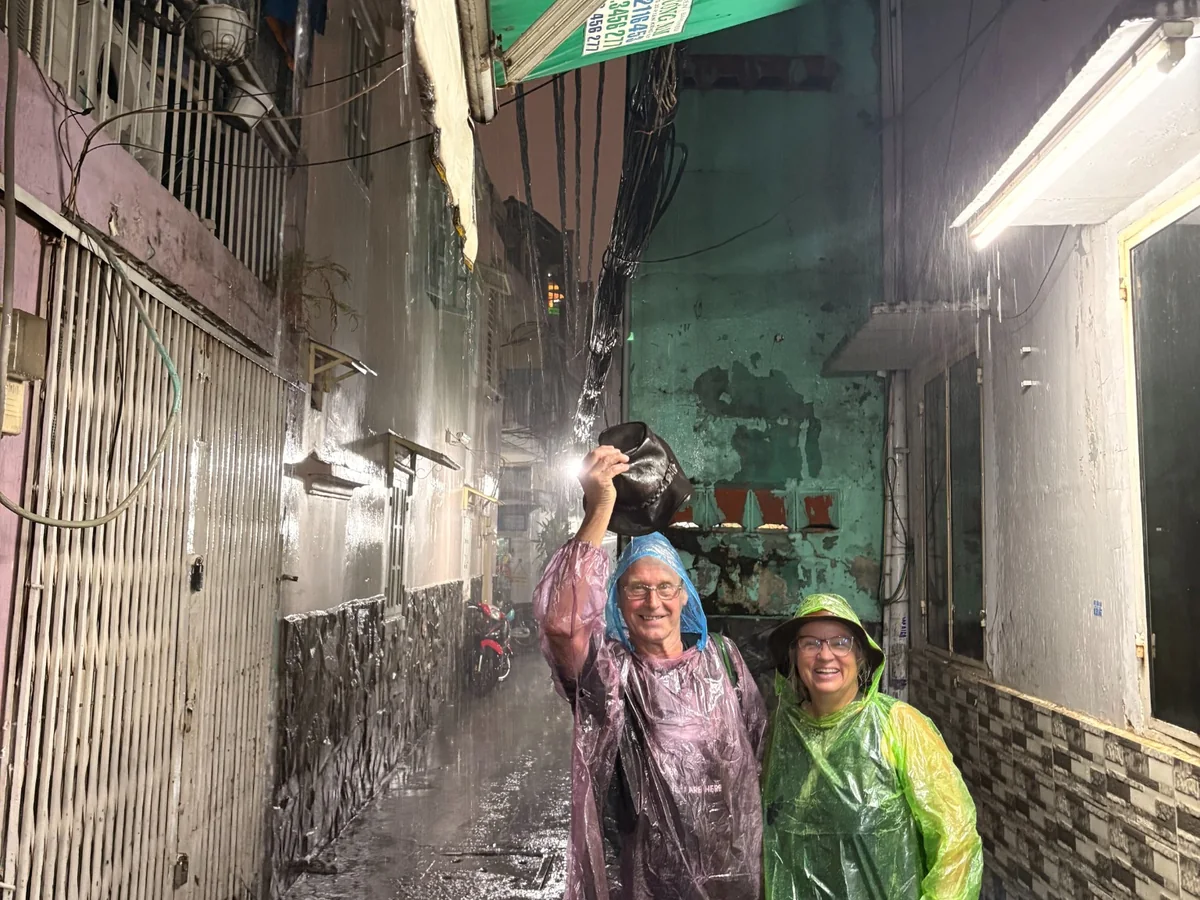
If you walk District 4 with me
I will talk about Năm Cam.
I will talk about underground gambling and why the district carried that reputation.
But then we keep walking.
We look at the homes. We notice the food. We talk about the port, the waterways, migration, working-class life and how people use shared space. We compare the old hẻm with the towers across the canal. We stop when something interesting is happening instead of rushing toward the next “attraction.”
That is the version of District 4 I want to share.
Not a dangerous neighborhood frozen in the 1990s.
Not a polished new district with its history erased.
A living part of Saigon that has survived, changed and kept moving.
And for me, it is still home.
Sources for the historical record
The personal reflections in this article are mine. Historical details are based on public reporting and government records, including: